Pakistan’s performance, often defined by brilliance and unpredictability in equal measure, once again offered a compelling study in contrasts. While flashes of dominance surfaced, lapses in execution at decisive moments ultimately shaped the outcome — a recurring theme that warrants deeper examination rather than emotional reaction.
Match Context
Entering the contest with strategic adjustments to the playing XI, Pakistan appeared intent on recalibrating its balance between pace and spin. The surface offered moderate assistance early on before settling into a batting-friendly track, making discipline with both bat and ball essential. The toss, though not decisive, influenced tempo and tactical planning in the first innings.
Batting Assessment
Pakistan’s top order began with controlled aggression, capitalizing on the fielding restrictions during the powerplay. However, the transition into the middle overs exposed familiar vulnerabilities stagnation against spin and a rising dot-ball percentage that curtailed momentum.
The middle-order’s inability to rotate strike consistently allowed the opposition to dictate terms. While individual cameos injected brief energy, the absence of sustained partnerships proved costly.
Bowling Analysis
- New ball discipline (line & length consistency)
- Use of short ball
- Spin impact in middle overs
- Economy vs expected runs
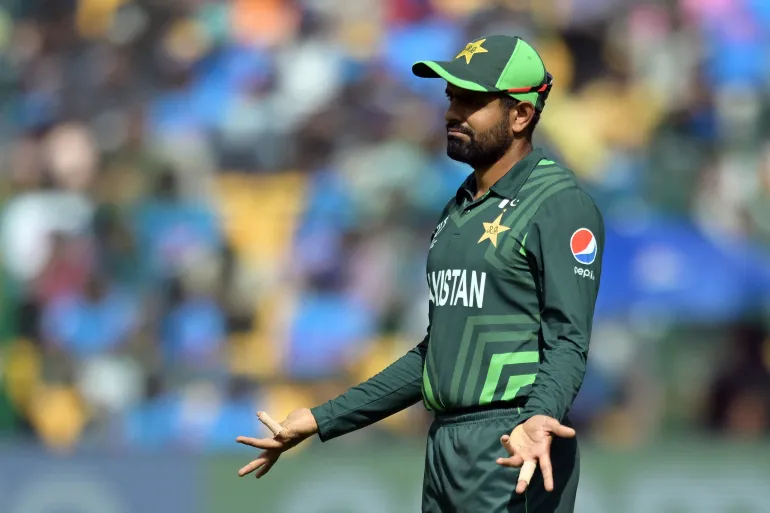
Captaincy & Selection Reflection
Field adjustments reflected proactive thinking, though bowling changes during key partnerships invited scrutiny. The balance between experimentation and stability remains delicate. Pakistan’s bench strength is promising, but selection consistency may offer greater cohesion, particularly in pressure scenarios.
Broader Implications
Pakistan’s challenge is not a lack of talent; it is the conversion of potential into sustained discipline. The side possesses world-class match-winners, yet modern cricket demands collective precision — in strike rotation, death bowling, and fielding sharpness.
The path forward requires structural clarity rather than reactive changes. Tactical refinement, especially in middle over management and finishing roles, will be central as Pakistan prepares for forthcoming assignments.