Social media has transformed political campaigns from broad, one-directional messaging into highly targeted, data-driven operations. Campaign strategy today is inseparable from digital platforms. The shift is not cosmetic, it has changed how voters form opinions, how candidates communicate, and how elections are won or lost.
1. Direct Communication and Narrative Control.
Platforms such as Facebook, X, Instagram, Threads, YouTube and TikTok allow candidates to communicate directly with voters without relying on traditional media gatekeepers.
This has three major effects:
Politicians can frame issues on their own terms.
Campaigns can respond instantly to controversies.
Media organizations lose monopoly over political narratives.
2. Algorithmic Amplification and Polarization
Social media algorithms prioritize engagement. Content that provokes strong emotions, anger, fear and excitement spreads faster than balanced policy discussion.
Increased political polarization.
Spread of sensational or misleading content.
Reduced visibility for nuanced debate.
3. Misinformation and Electoral Integrity
Social media enables rapid dissemination of false or misleading information.
Voter manipulation through psychological profiling.
Foreign interference.
Declining public trust in electoral outcomes.
4. Mobilization and Grassroots Engagement
Not all effects are negative.
Social media has:
Lowered campaign costs for new candidates.
Increased youth political participation.
Simplified volunteer coordination and fundraising.
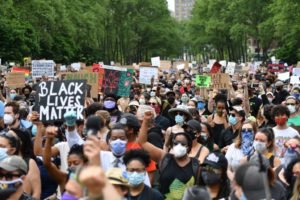
Enabled rapid mobilization for rallies and voter turnout drives.
5. Shift from Policy to Performance
Campaigning increasingly prioritizes:
Short videos.
Viral moments.
Short videos.
Memorable slogans.
Complex policy discussions rarely trend online. As a result, political communication becomes simplified and personality driven.
6. Influencer Politics
Candidates now collaborate with:
- YouTubers
- TikTok creators
- Online commentators
Politics merges with entertainment. Personality often outweighs policy depth.
The Core Question
Is social media strengthening democracy or weakening it?
It does both.
- It democratizes participation.
- It destabilizes information integrity.
The net impact depends on:
- Platform regulation
- Media literacy
- Electoral transparency
- Data privacy enforcement
Conclusion
Social media has transformed political campaigns into high-speed, data-driven, emotionally optimized operations. It increases access and participation but also amplifies manipulation and division
If campaigns continue optimizing for clicks instead of competence, elections will become marketing battles not policy contests.